
Audrey Yifei Li
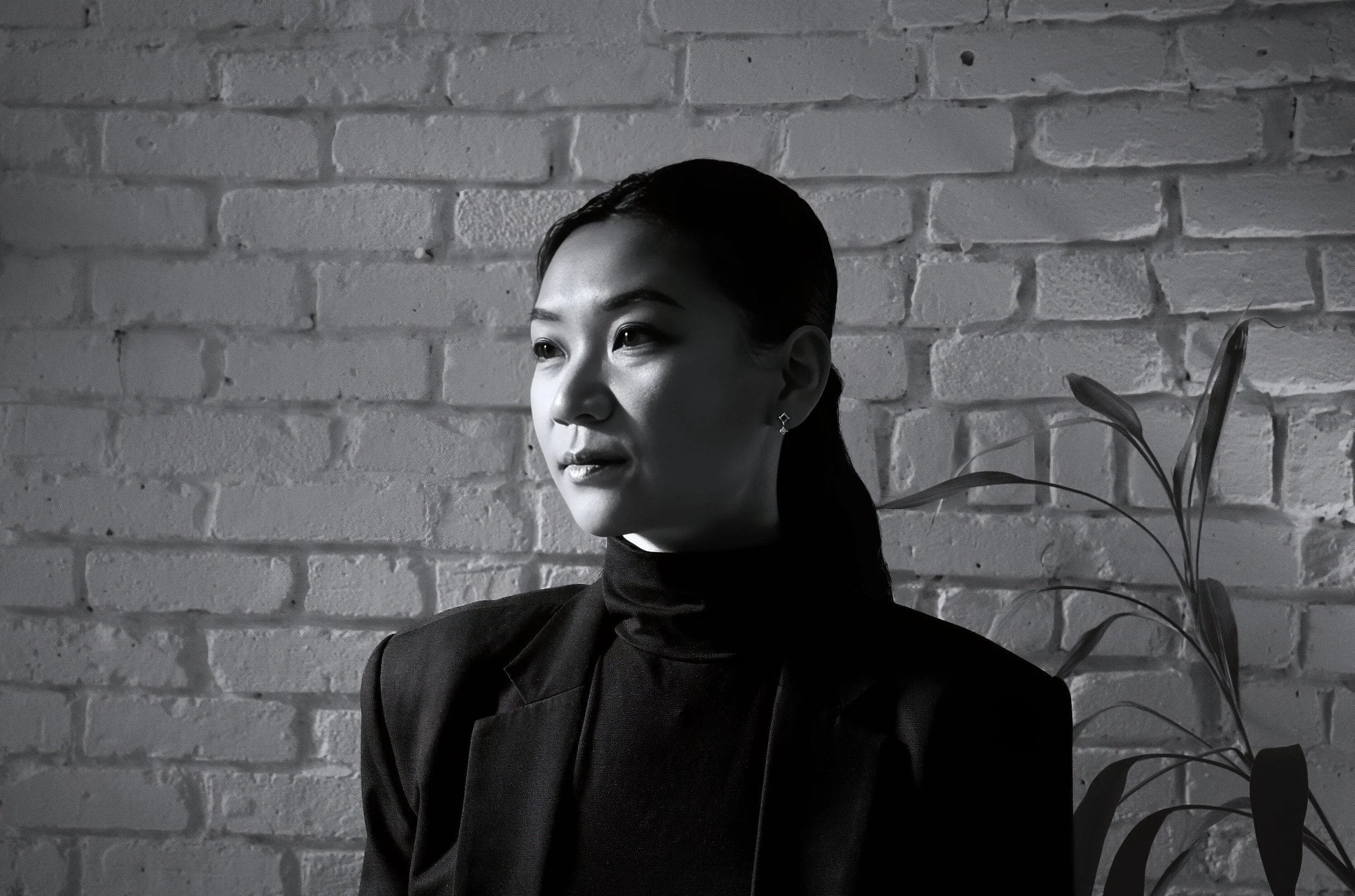
ELSEWEAR [别饰 / bié-shì] was founded by Audrey Yifei Li, a Beijing-born designer based in Brooklyn, New York.
Li was trained as an architect with a Masters from the Yale School of Architecture. As a self-taught jewelry designer, she carries architectural rigor into jewelry, a medium where she combines creativity, storytelling, and craftsmanship on an intimate scale.
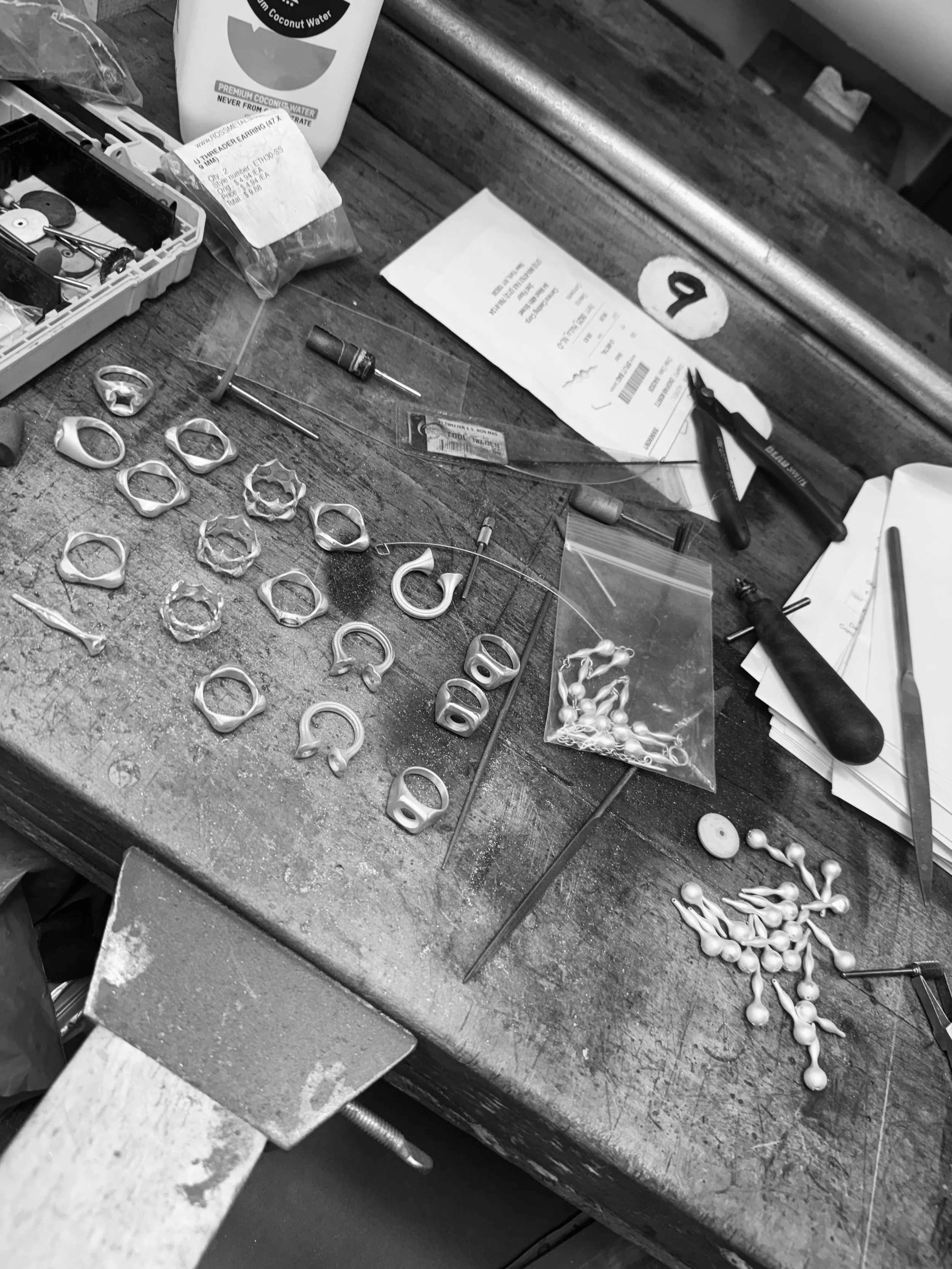
Li’s jewelry design process parallels that of architecture, with the belief that conceptual clarity and an iterative methodology is fundamental in her studies of shape and form. Similar to designing a building, it is critical to balance intention, proportion and scale, in order for the finish product to stand the test of time.
ELSEWEAR
ELSEWEAR draws inspiration from the symbolisms of Chinese culture, a core aspect that defines Li’s upbringing and identity. The brand celebrates the depth of familiar East Asian cultural motifs and elements, reimagined through a contemporary lens.
Envisioned as a collection of modern heirlooms, ELSEWEAR explores themes of dualities. Li designs each of her jewelry pieces to evoke both the old and the new, feminine and masculine, and embodying an art form that is both sculptural and wearable.
See sections below for the stories behind each collection ↓
Coin & Star [方孔钱/fāng-kong-qián]
The Jade [玉/yù] Collection
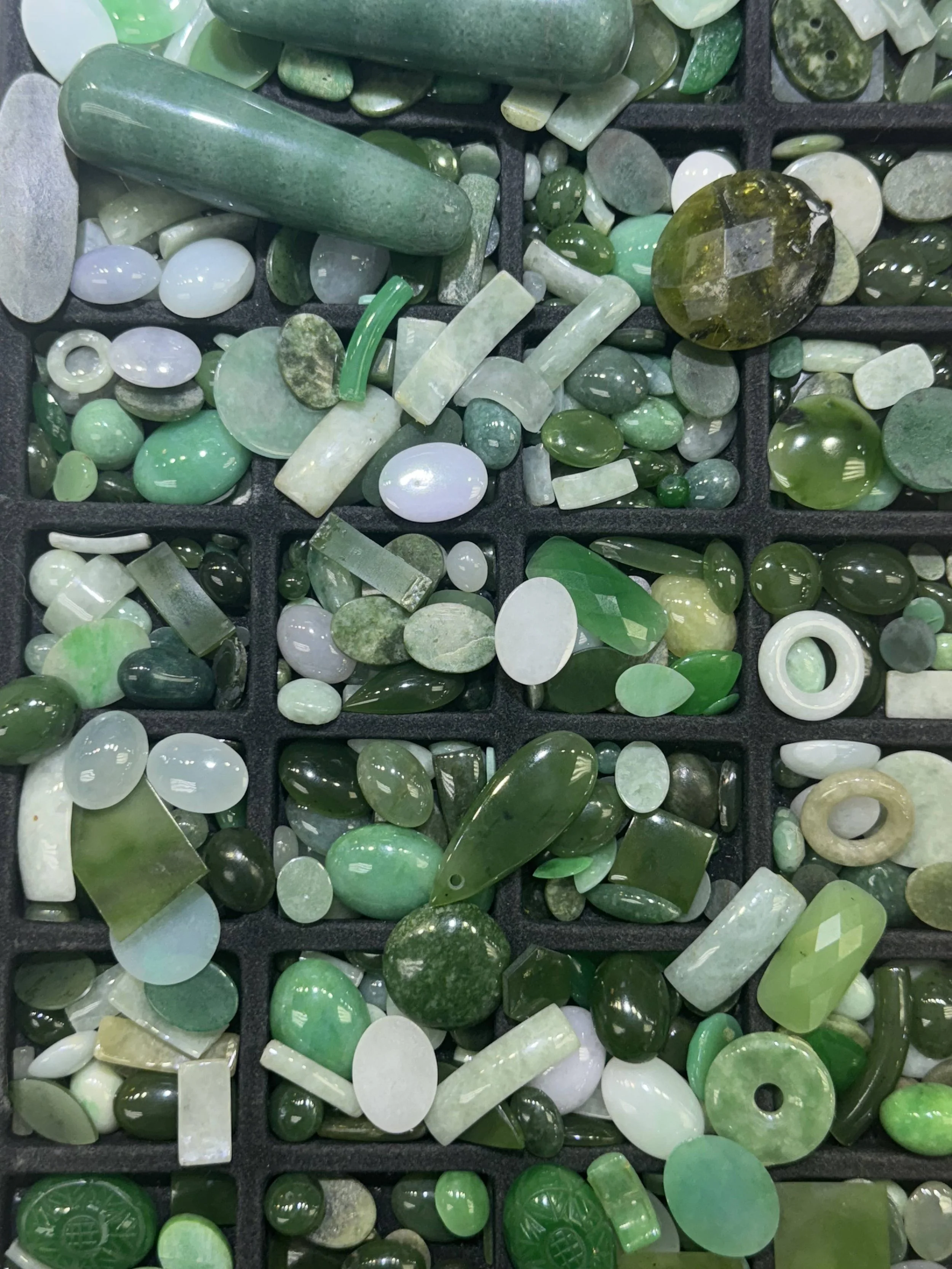
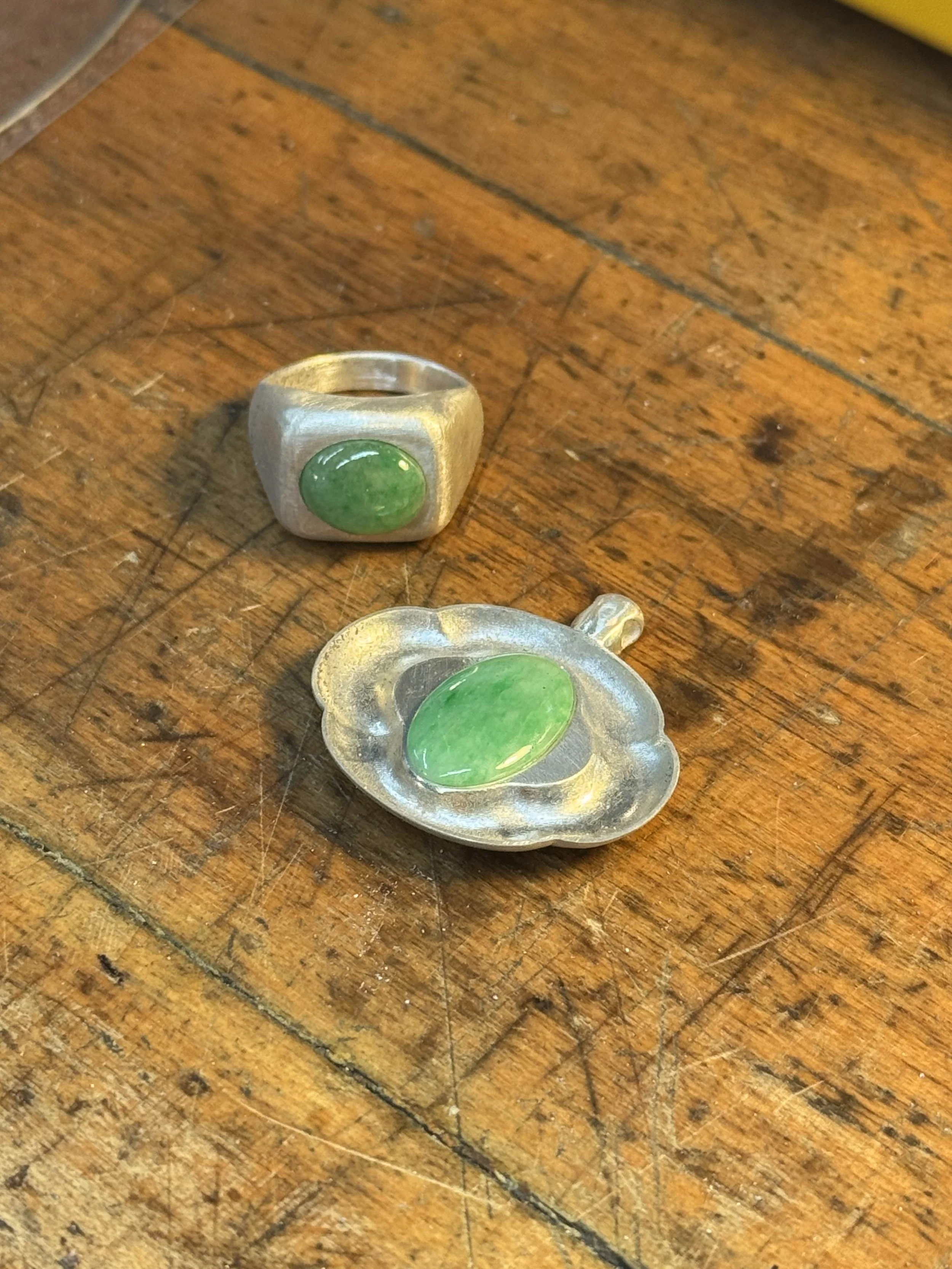
This ongoing collection revolves around several Chinese themes and motifs, including jade, a precious and symbolic gemstone deeply revered throughout the Orient.
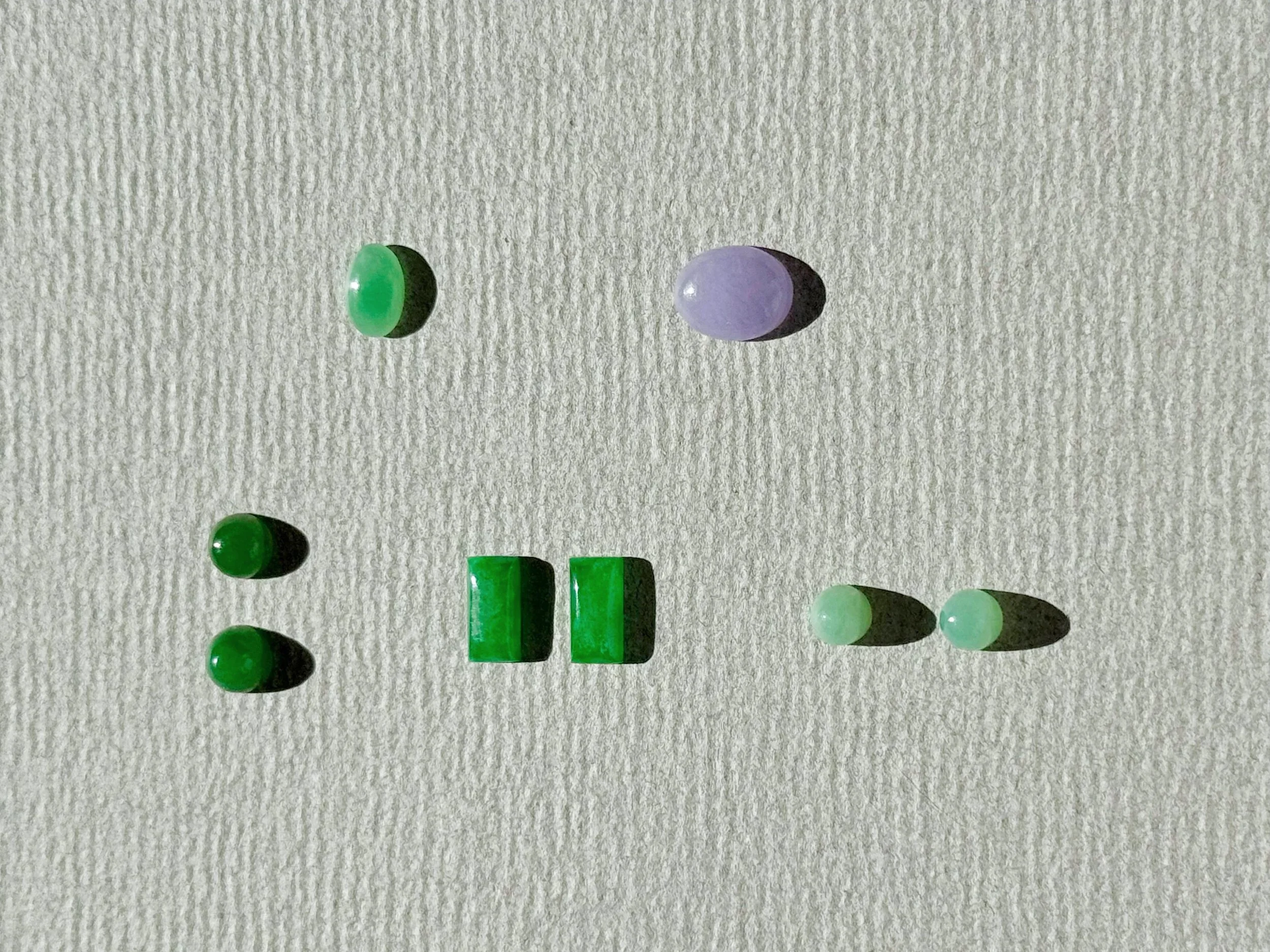
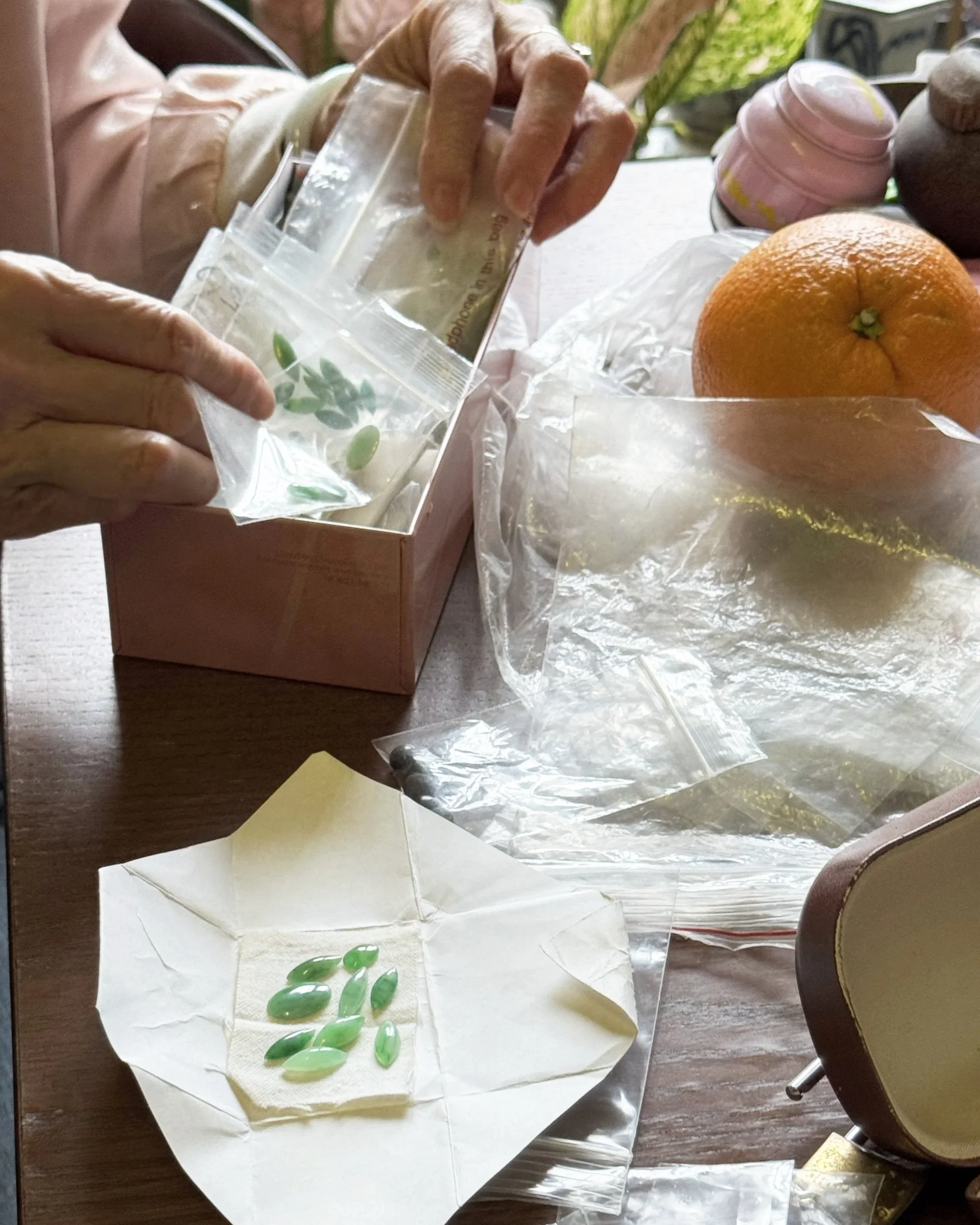
Diverse shades and cuts of jade are hand-selected and reinterpreted for contemporary sensibilities in the design of these pieces, exploring themes of old and new; feminine and masculine.
Initial prototypes featured several jade stones included one-of-a-kind family heirlooms from 1970s Hong Kong. The designs pay homage to the origin of these stones while finding them a contemporary home. The juxtaposition between the old and the new transcends time and space.
The Coin & Star [方孔钱/fāng-kong-qián] Collection
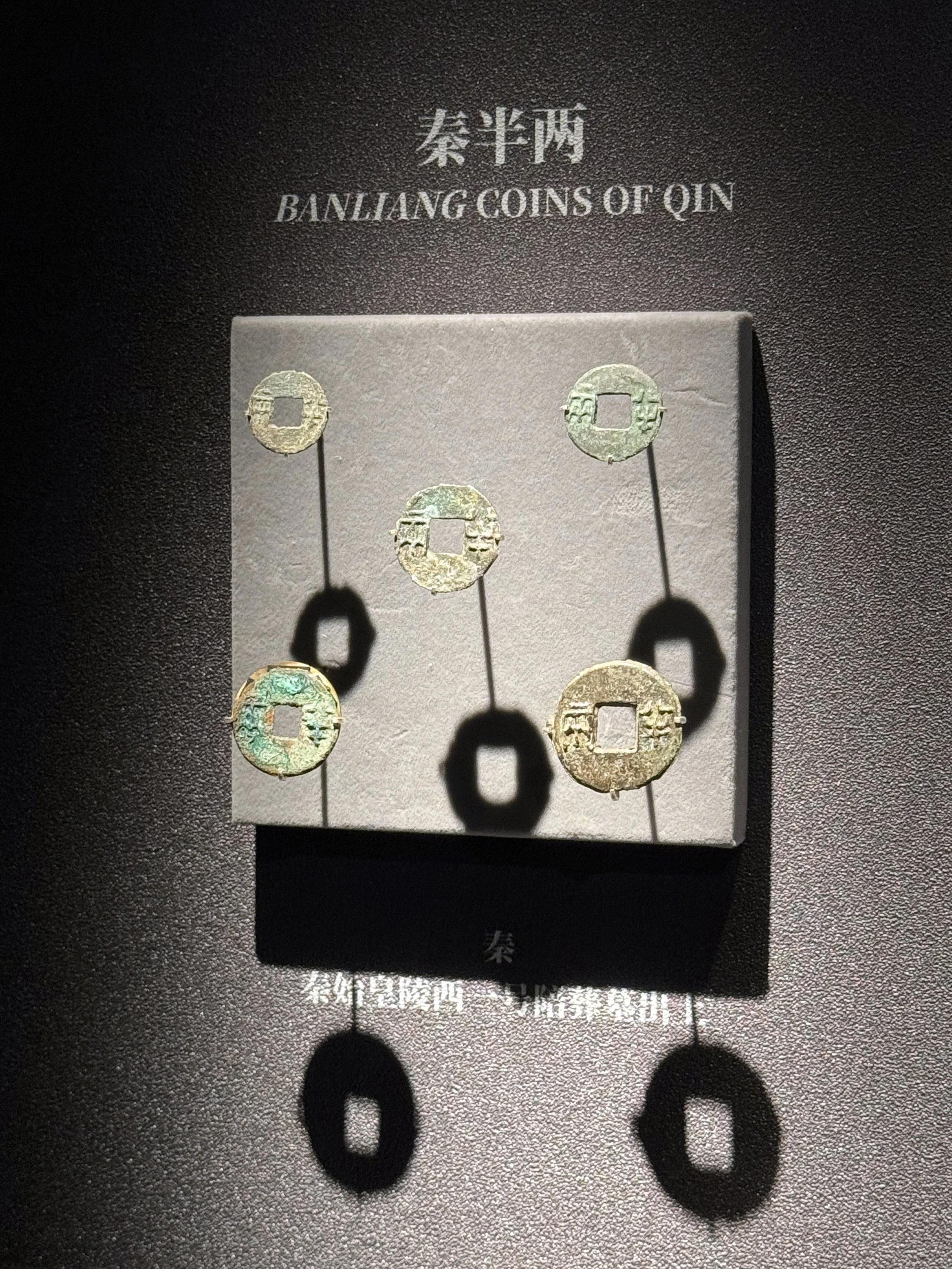
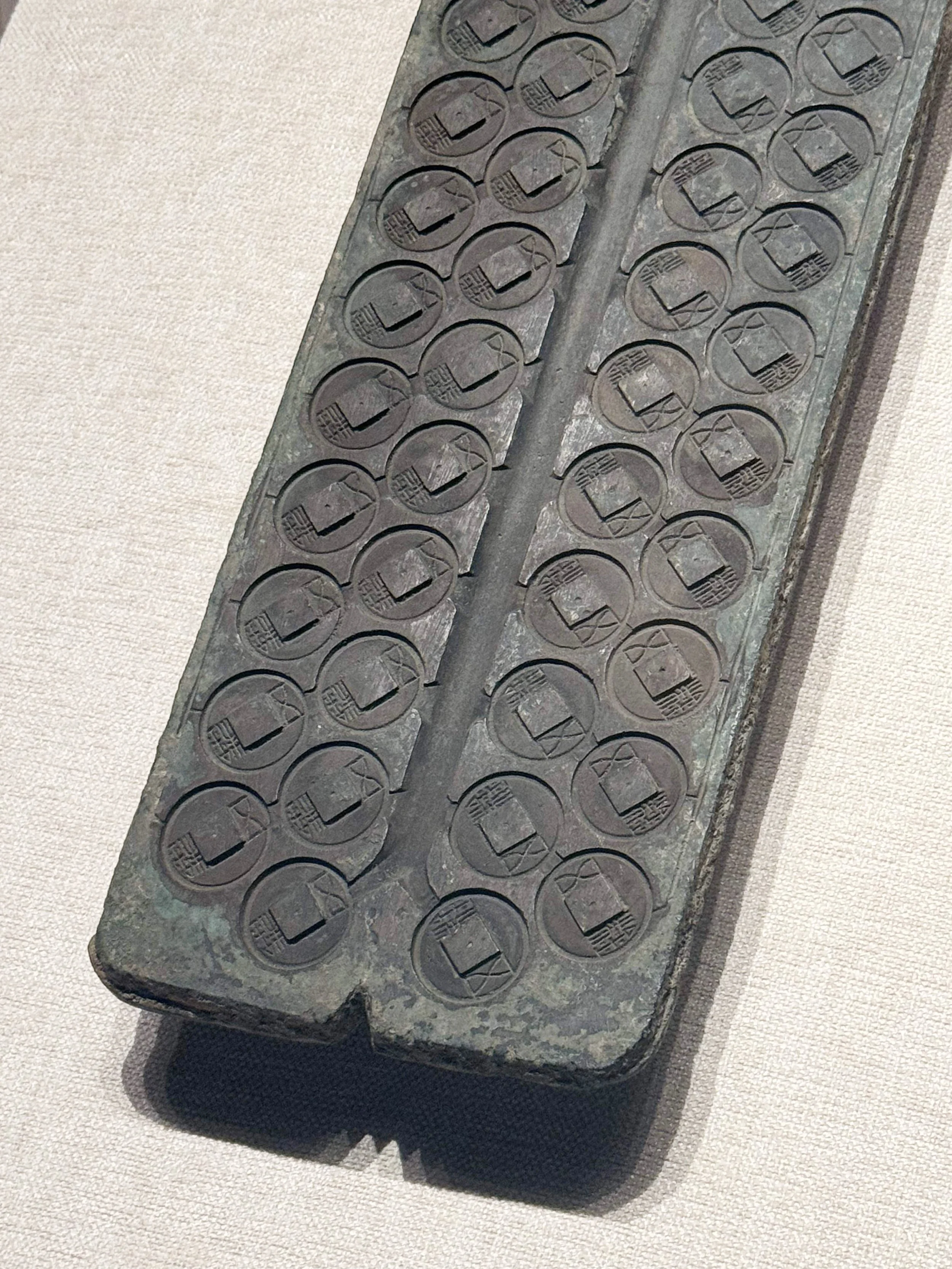
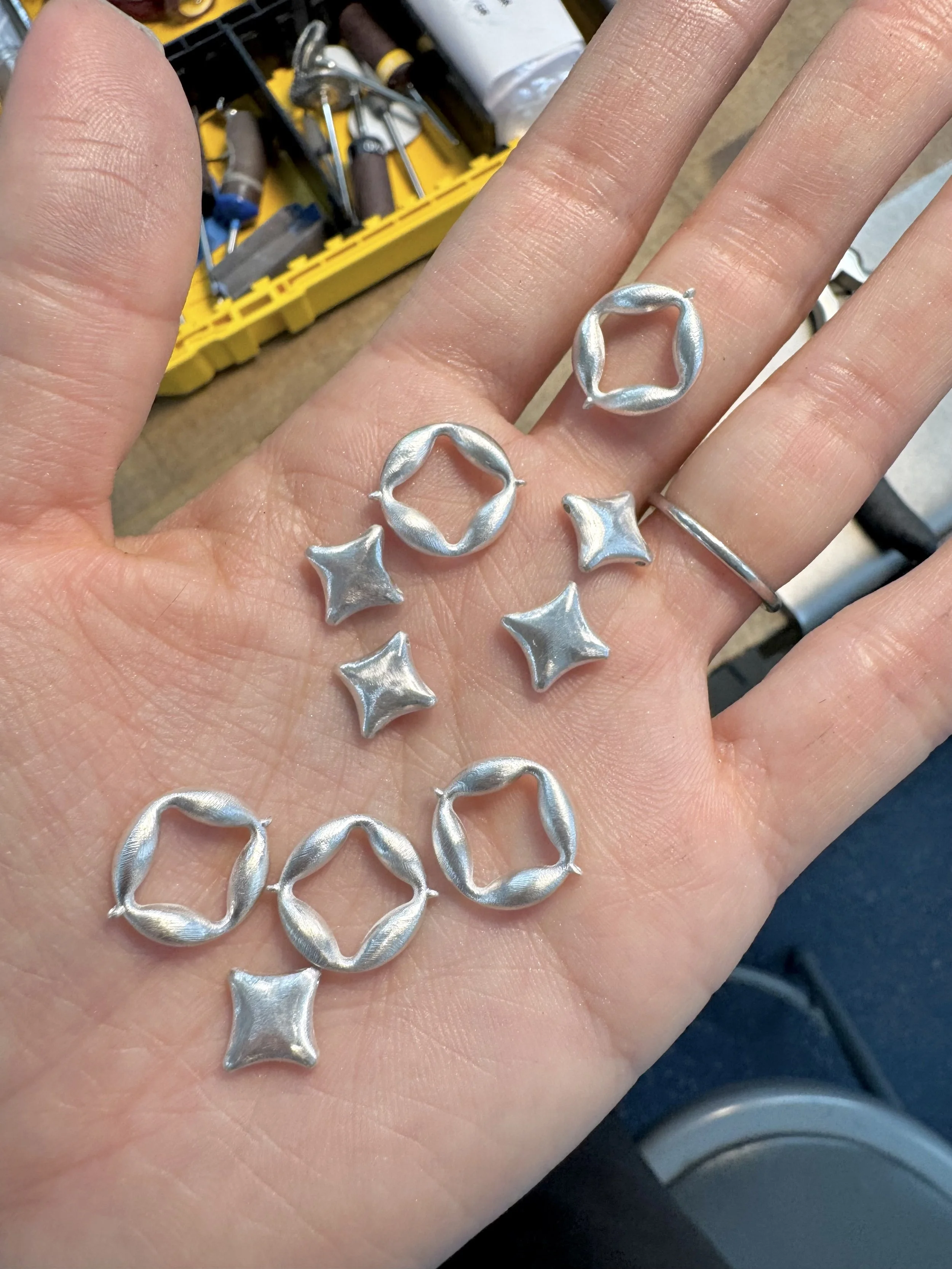
Ancient Chinese coins [方孔钱/fāng-kong-qián] emerged as early as 4th century BC and featured an iconic design that juxtaposed two pure forms: the circular token with a square void in the center, which symbolically represented harmony between the heaven and earth.
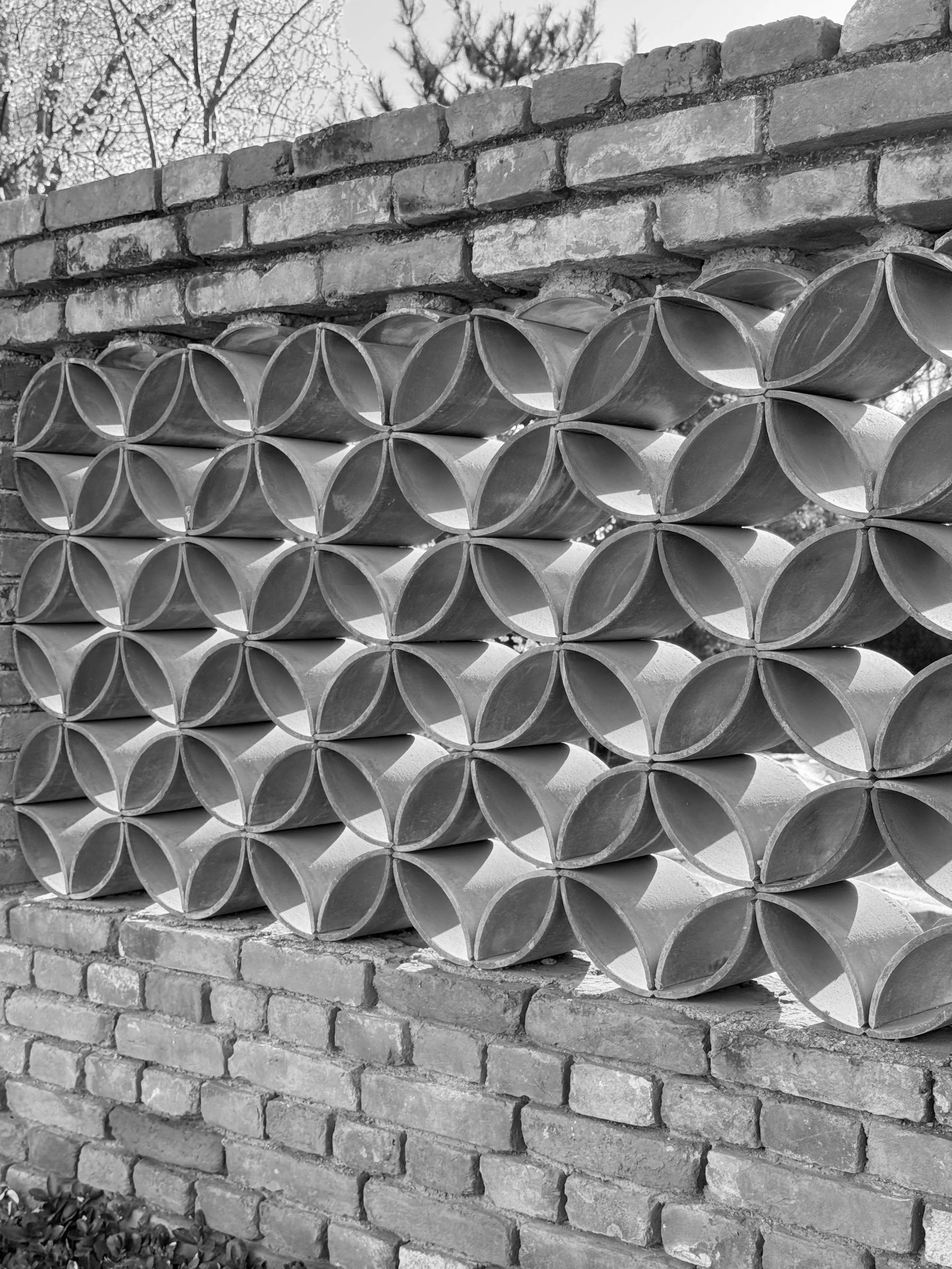
Another shape that emerged is the star. Formed by repeating and overlapping circles, this pattern was used as decorative elements such as as Chinese screen walls.
This collection explores relationships between solid and void, singular and repetition, and the abstraction these historical symbols
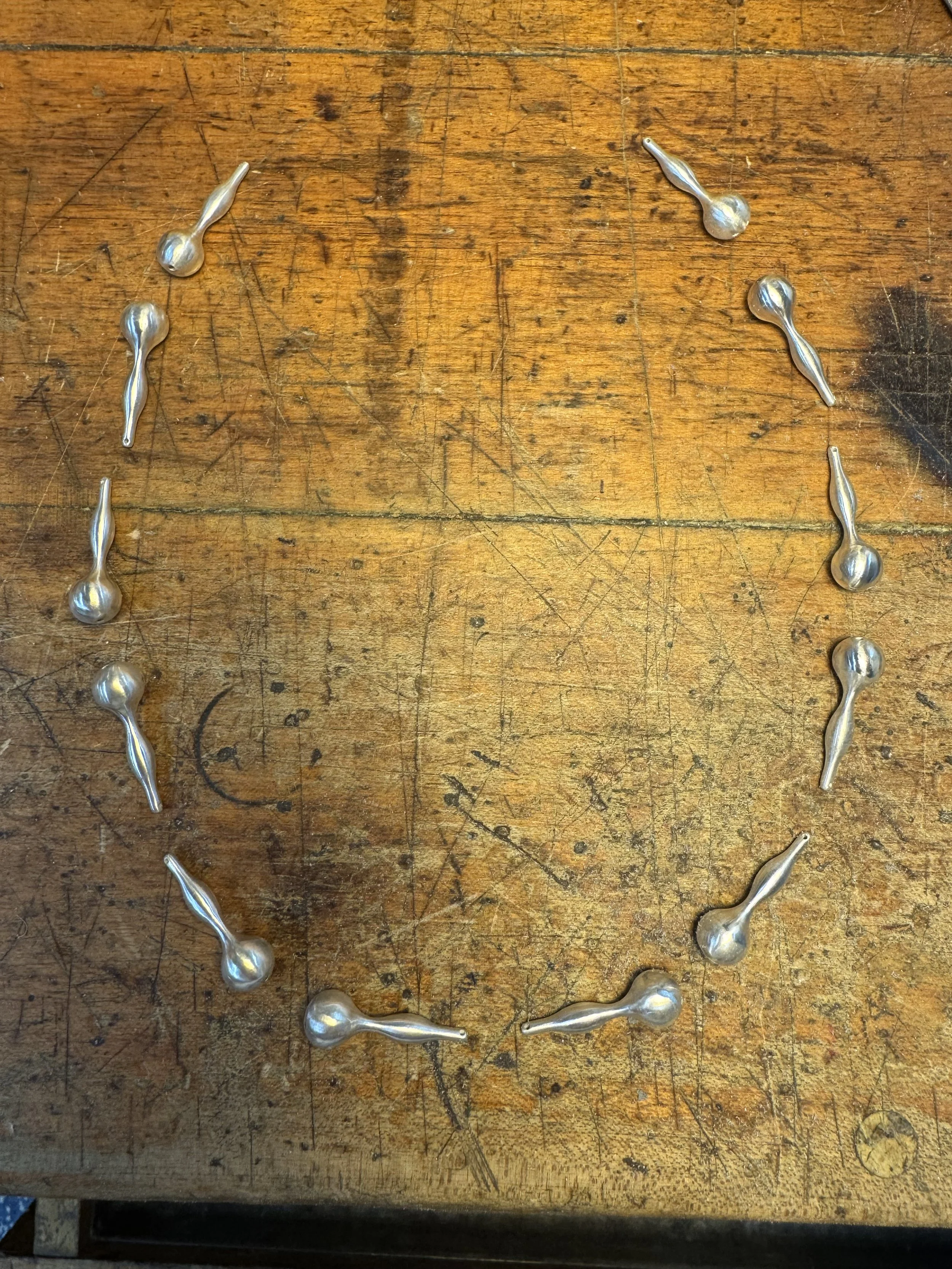
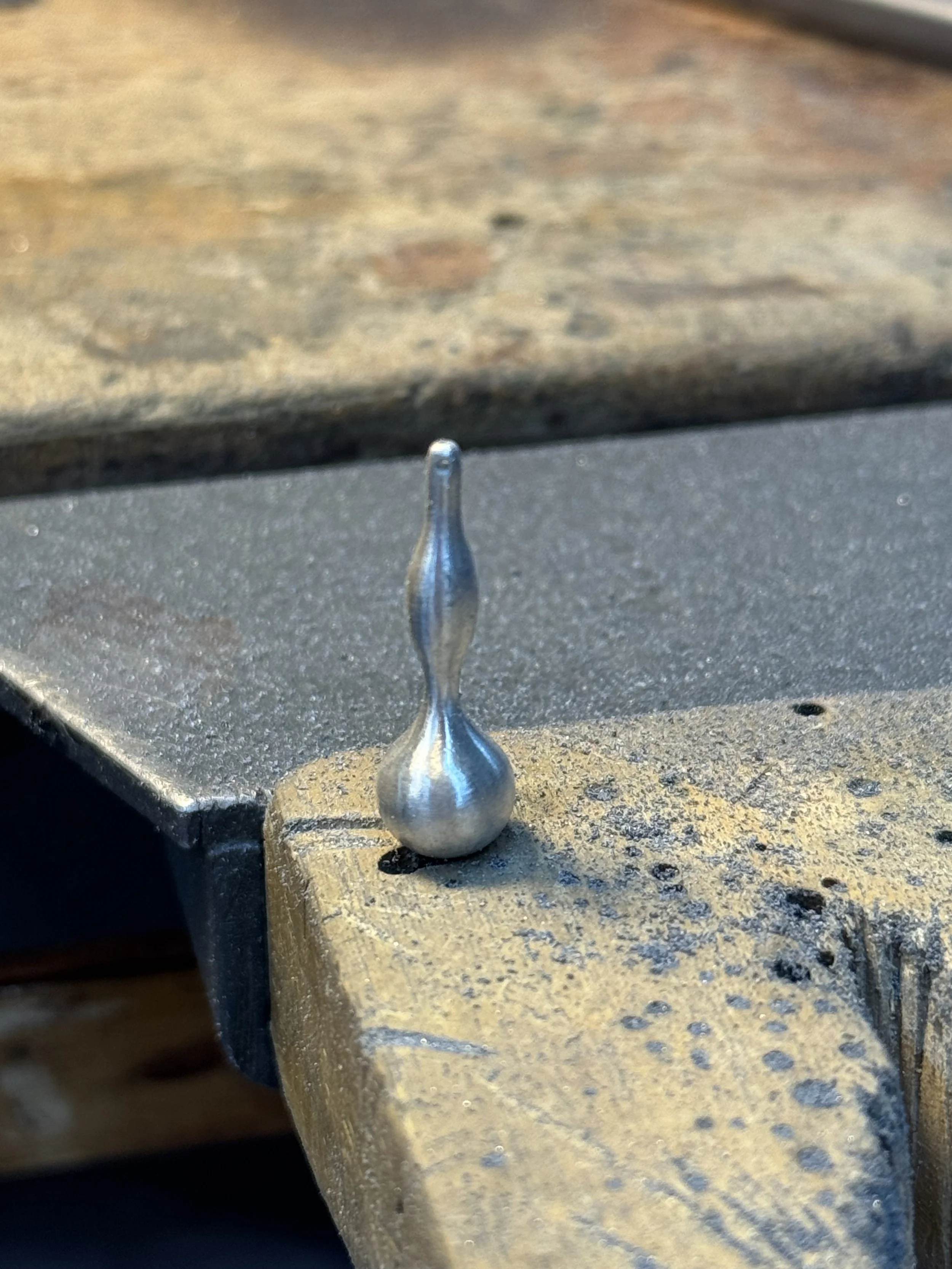
The Hu-Lu [葫芦/hú-lú] Collection
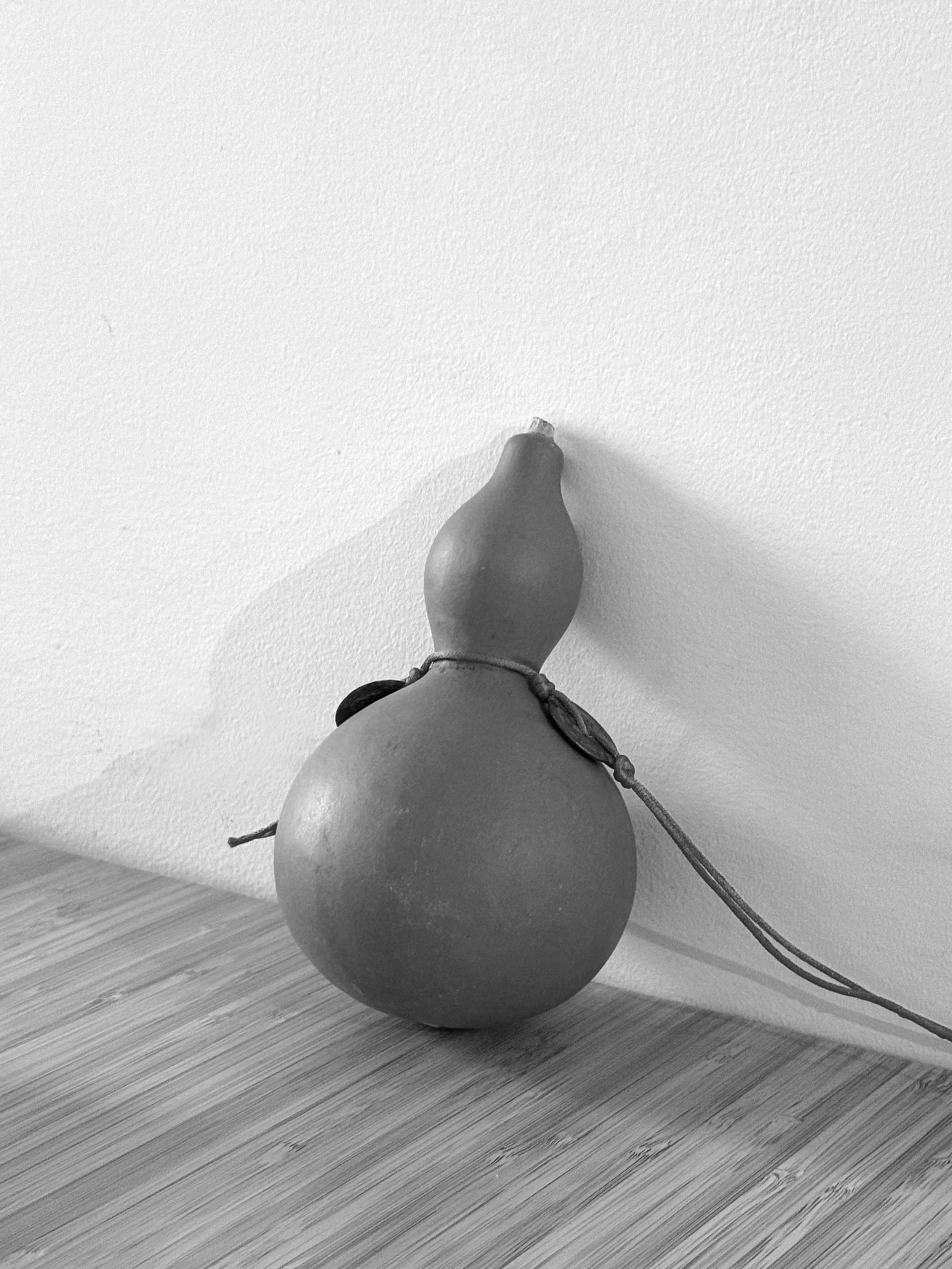
This was a type of gourd used in ancient times as a medicinal container for Chinese traditional herbs.
Its association with health and healing can be traced to Taoist beliefs, where it was considered a vessel for life-giving energy.
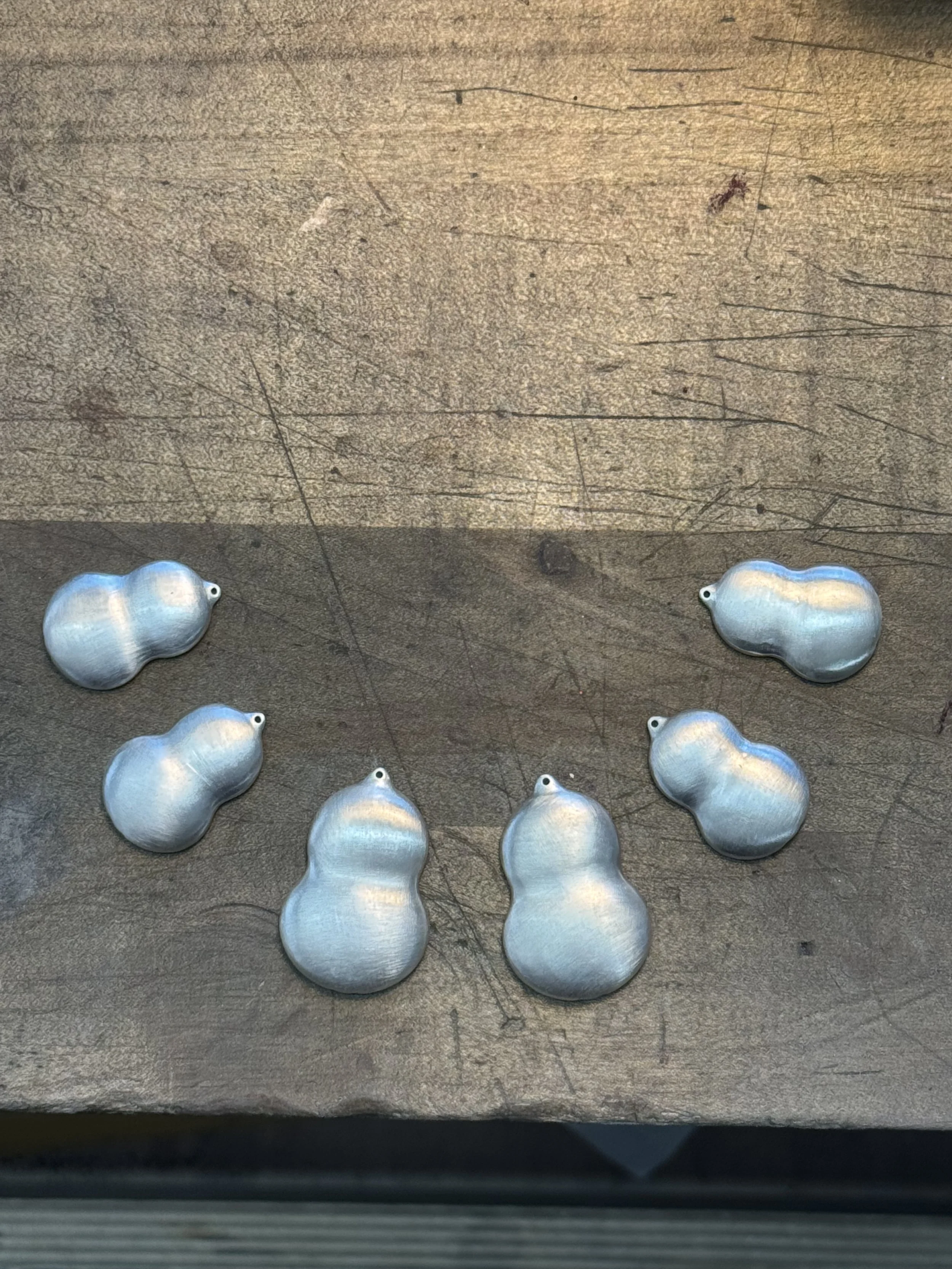
The curvature of the gourd is carefully studied and abstracted for the jewelry design. Rotund yet elongated, the form further accentuates the symbolism of the gourd, conveying a cyclical flow of life.
The Double Happiness [囍/shuang-xi] Collection
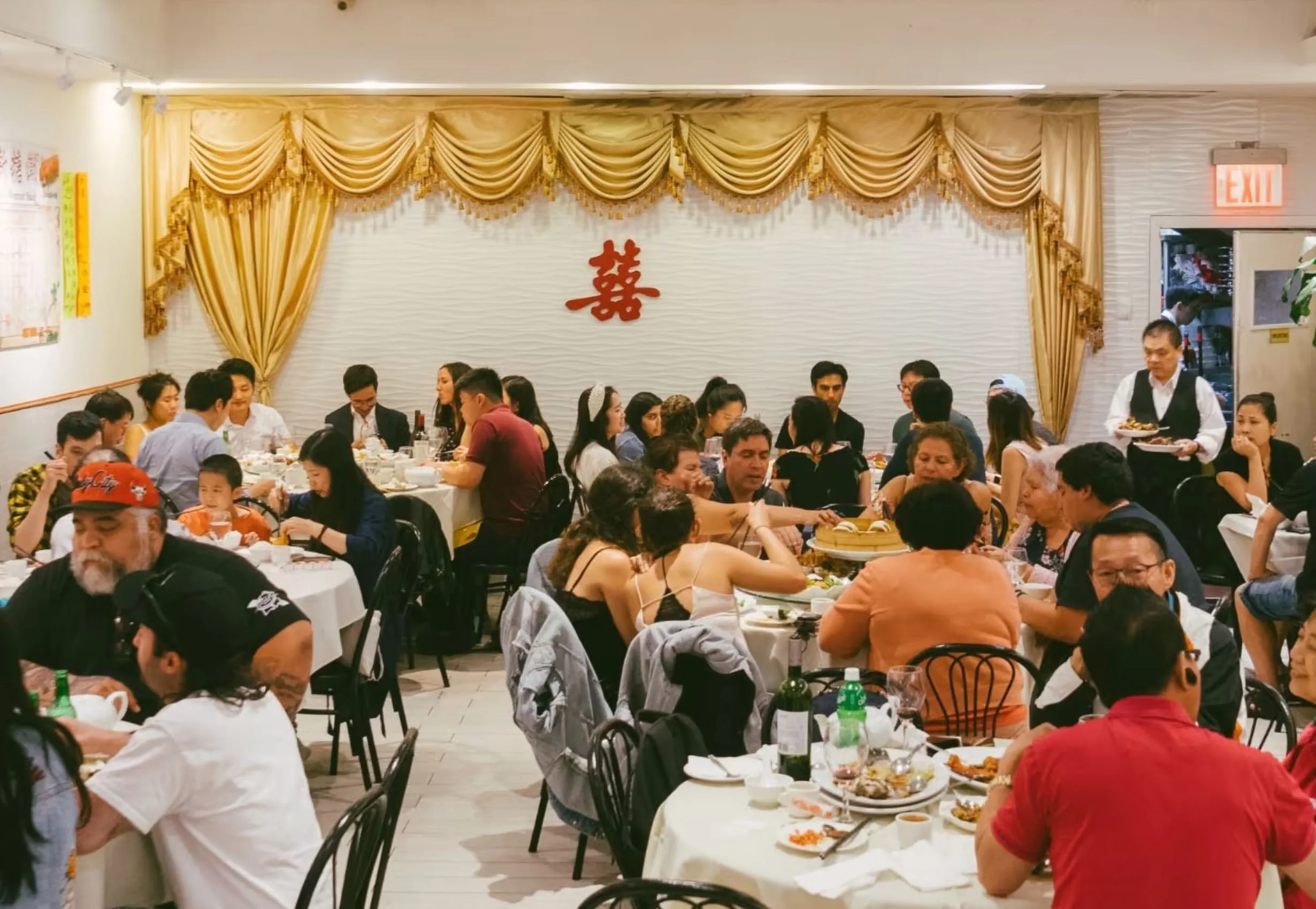
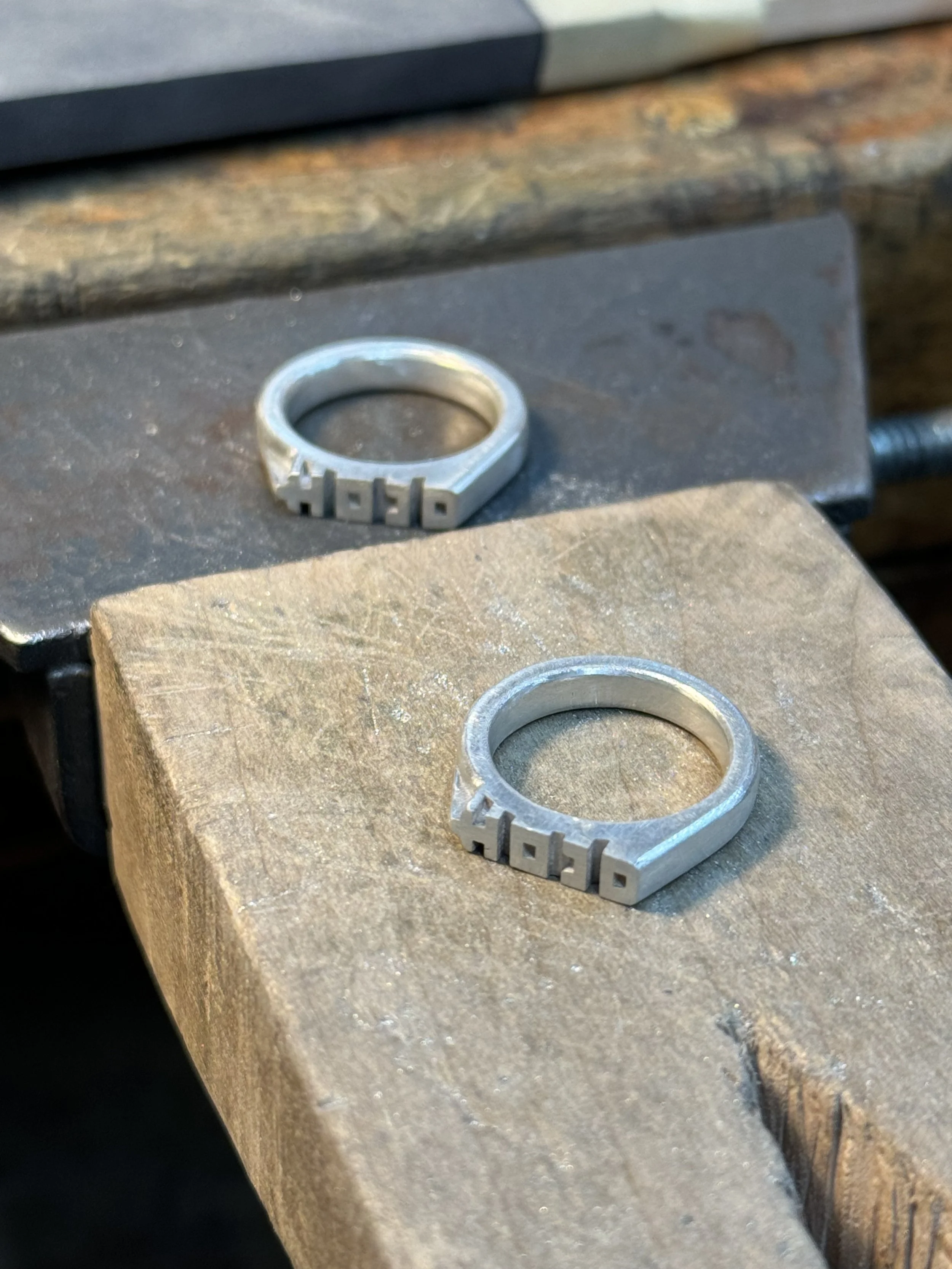
A significant concept in Chinese culture, particularly in the context of marriage. The symbol is often used during weddings to invoke prosperity, joy, and harmony between partners. Its beauty lies in its boldness and symmetry, echoing the perfect union of two individuals.
The pair of wedding bands and the pendant necklace reimagines the same character through a three-dimensional, sculptural form, turning a traditional motif into modern-day heirlooms.

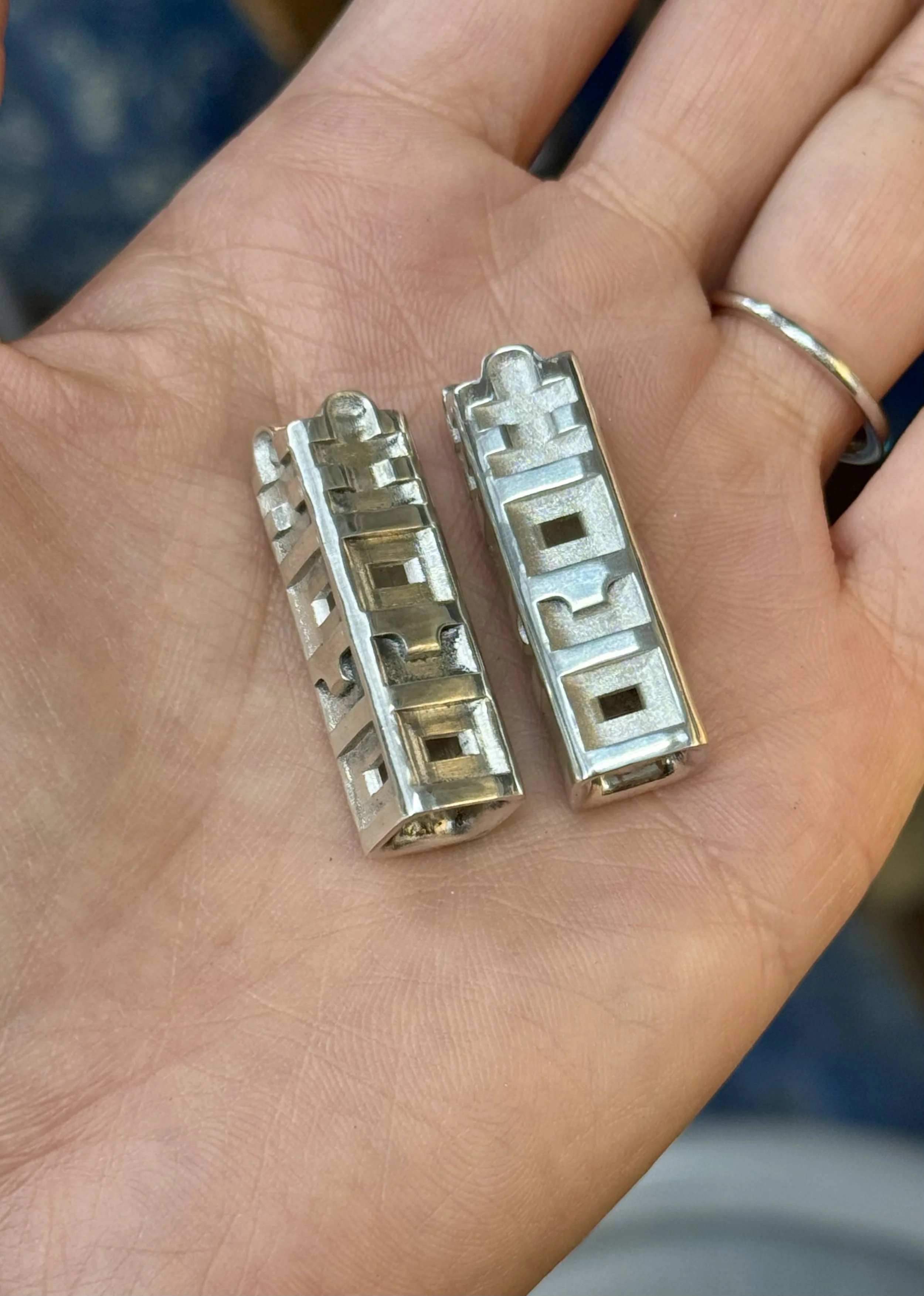
The Culinary [饮食/yǐn-shí] Collection
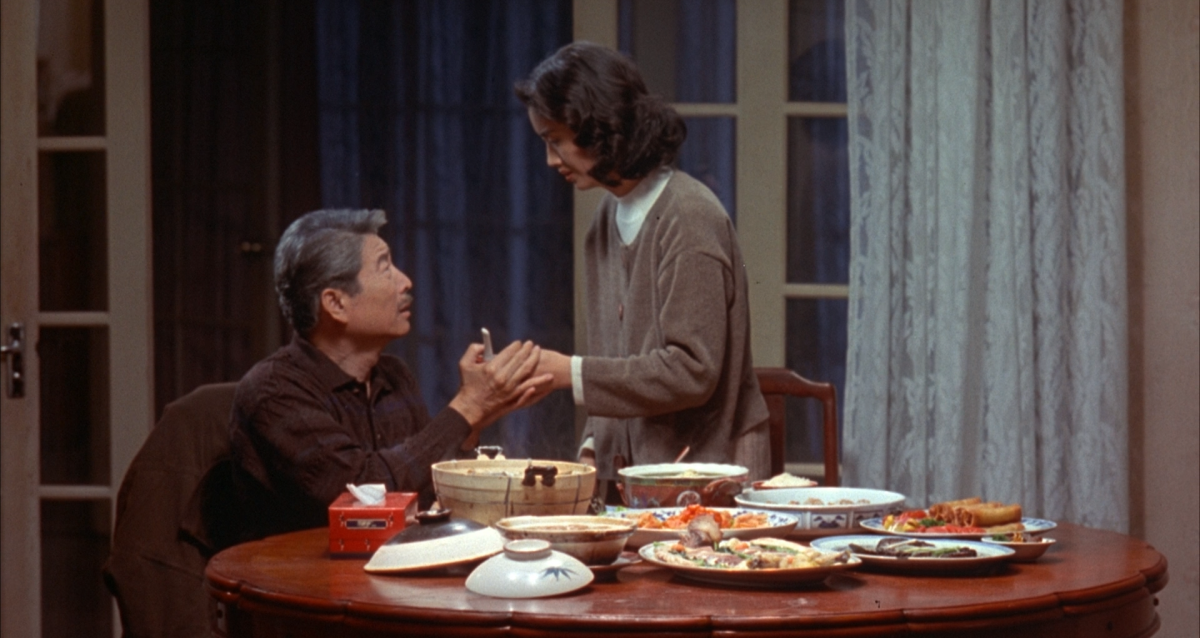
One of the most important anchors to Chinese culture is focused on the culinary arts, which is embedded within a variety of routines and rituals. Food & beverage plays a role in aspects such as social and family gatherings, filial piety, regionalism & identity.
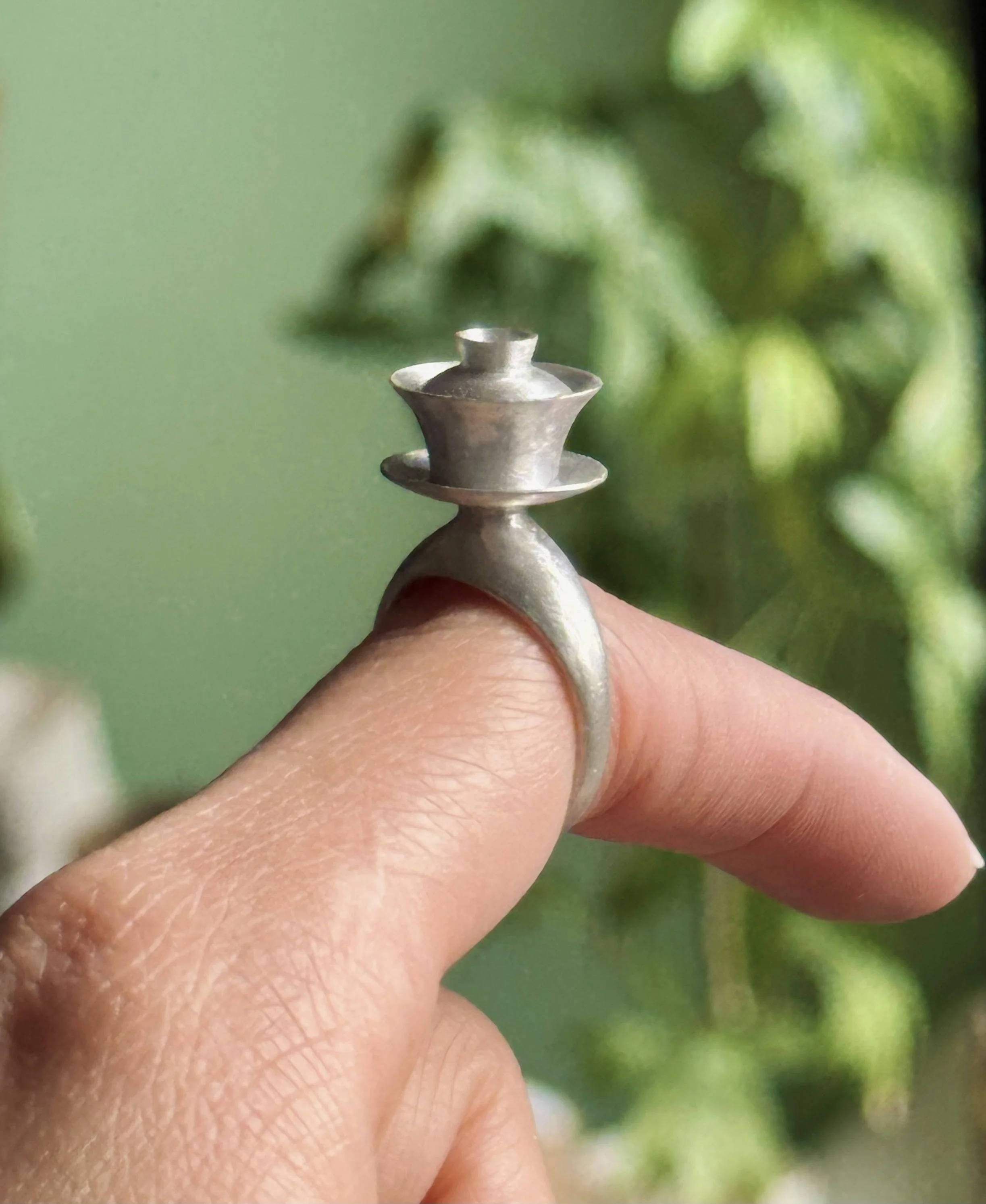
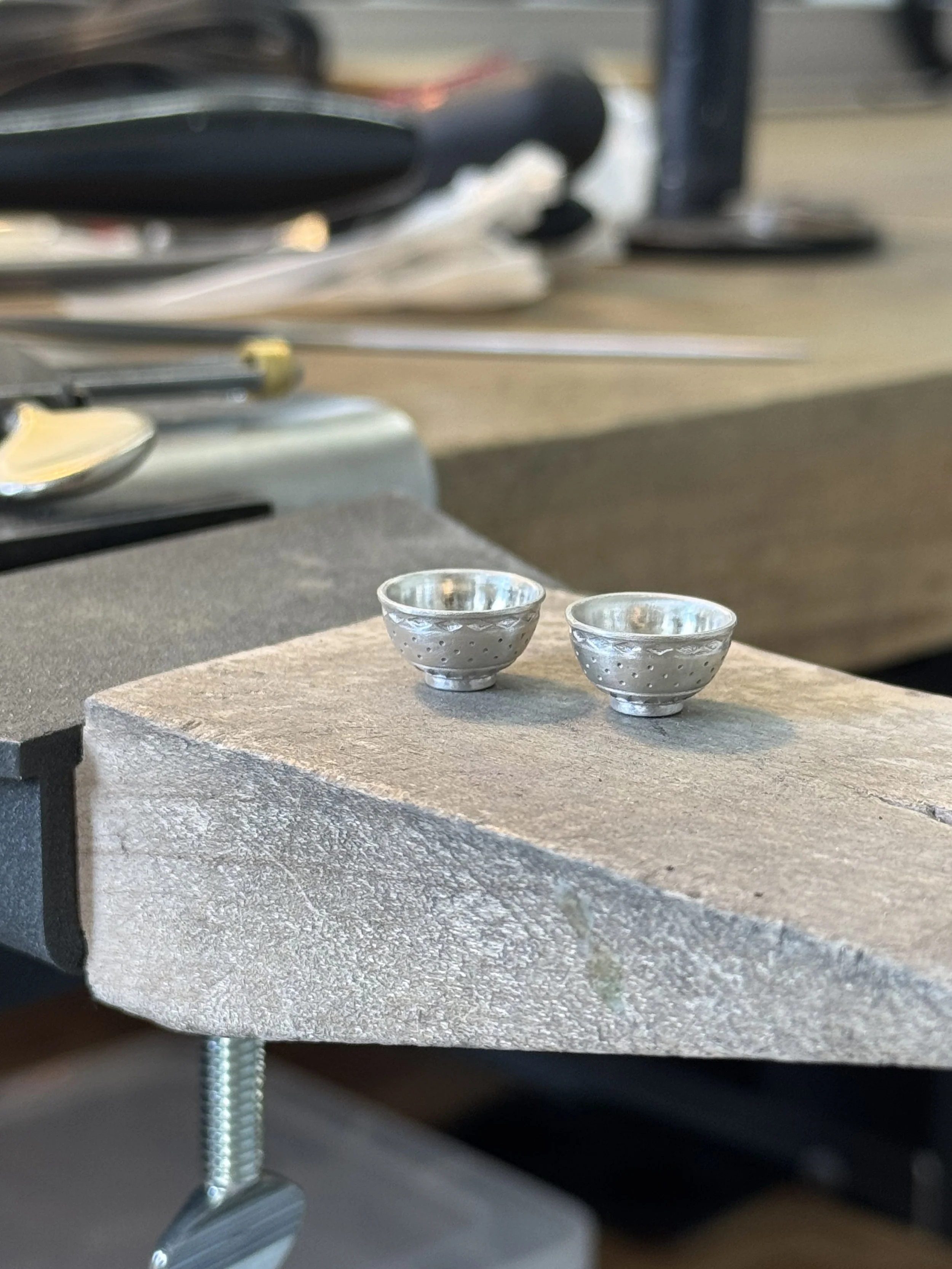
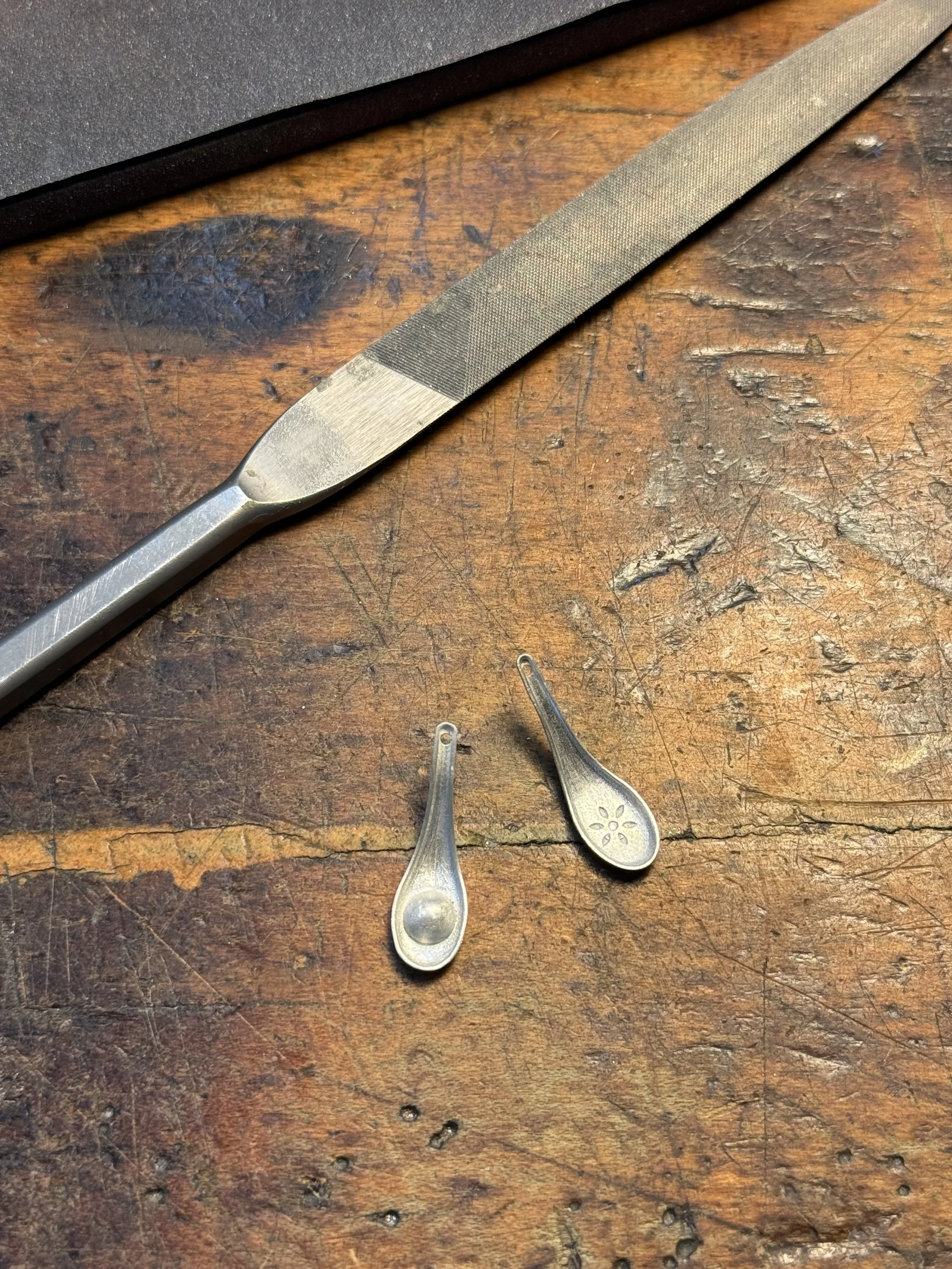
This jewelry series explores some of the most iconic artifacts associated with Chinese culinary culture, including rice bowls [饭碗 / fan-wan], soup spoons [汤匙 / tang-chi], and tea cups [盖碗 / gai-wan].